Blog · Hotel investment
Operational Real Estate Investment: The Shift from Ownership to Performance
Why investors judge a building by what it produces rather than what it might resell for.

For decades, property investing followed a simple formula: buy residential property, hold long term, and rely on capital growth.
In 2026, that model is being questioned. Investors are no longer asking only, “What will this asset be worth in 10 years?” They’re asking, “What does this asset actually produce today?”
This shift in mindset is driving increased interest in operational real estate investment — a sector where performance, not passive rent collection, determines incomes.
Read more: Operational Real Estate: Why Investors are Rethinking Traditional Property
What is operational real estate investment?
Operational real estate (OpRE) refers to property assets where income and value are directly linked to the performance of an operating business.
Unlike traditional property that relies on fixed long-term leases, operational assets generate revenue through activity.
Common examples include:
- Hotels and resorts
- Healthcare facilities
- Student accommodation
- Senior living communities
- Self-storage
- Data centres
- Lifestyle-led mixed-use developments
The defining difference is this:
These assets don’t just collect rent. They operate.
Revenue is driven by operational metrics such as:
- Occupancy rates
- Average daily rates (ADR)
- Revenue per available room (RevPAR)
- Service income and ancillary revenue
Performance depends on demand, pricing strategy, management quality, and brand positioning.
Why operational real estate is gaining global attention
Operational real estate is no longer considered an alternative niche.
Institutional capital is increasingly allocating to operational sectors, reflecting a broader shift in investor priorities.
Major global research groups have highlighted this movement. According to JLL’s Global Hotel Investment Outlook, hotel investment volumes increased by 22% in 2025, with strong momentum forecast into 2026. Asia-Pacific hotel investment is projected to expand to approximately AUD$17 billion, supported by tourism recovery and cross-border capital flows.
The appeal lies in three core factors:
- Inflation-linked pricing power
- Multiple income streams
- Professional operational management
As investors reassess traditional office and retail sectors, operational assets are increasingly viewed as dynamic, adaptive, and performance-driven.
The traditional model is under pressure
In Australia, average residential gross yields have hovered around 3.7–3.8%.
Once costs such as:
- Land tax aggregation
- Insurance
- Maintenance
- Property management fees
- Vacancy
- Higher interest rates
are factored in, many portfolios are running negative cash flow.
For some investors, residential property has become capital growth dependent rather than income supportive.
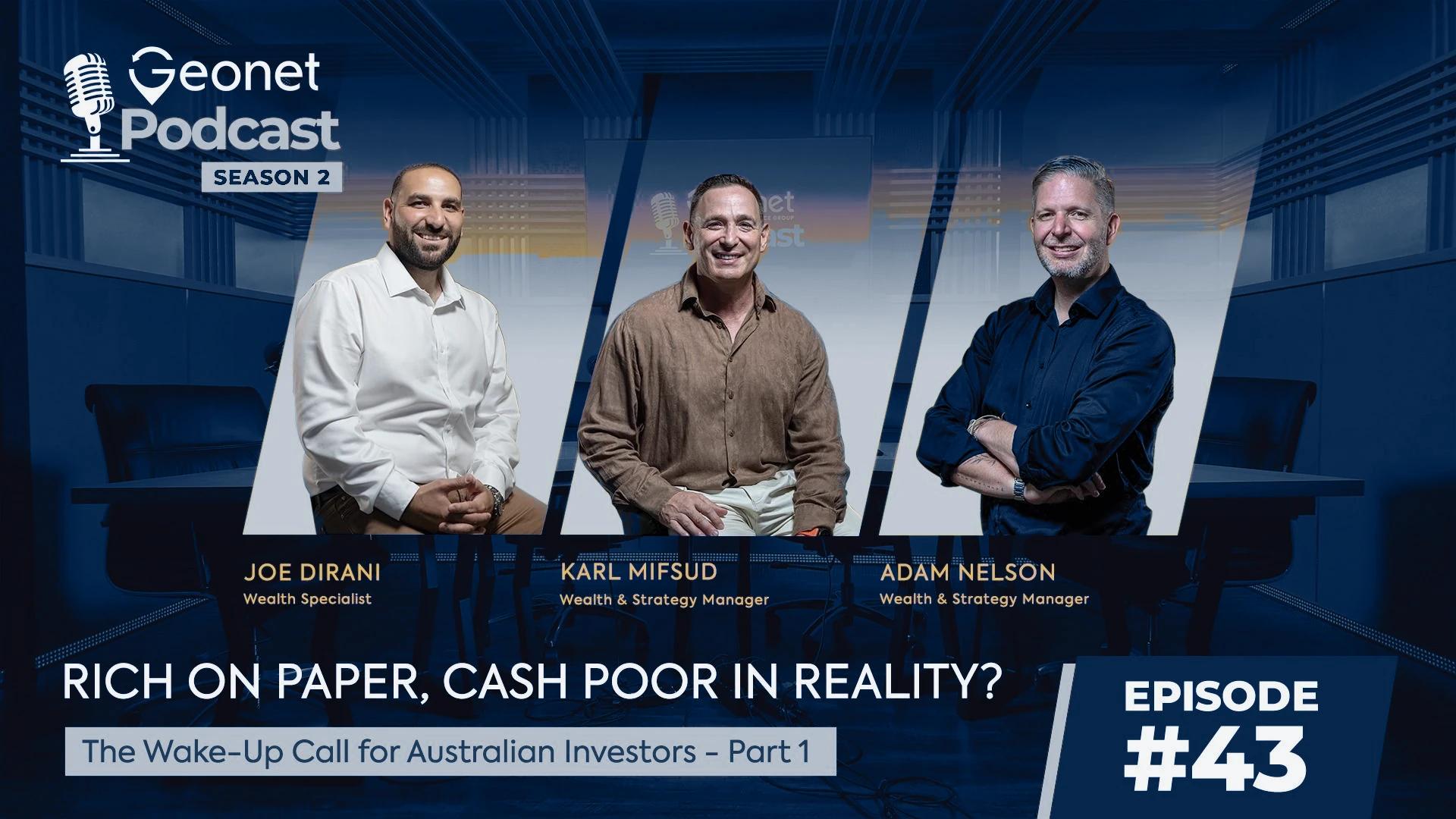
As Karl Mifsud, Senior Wealth Creation Strategist at Geonet, explains:
“For investors with multiple residential assets, cash flow is no longer supporting the portfolio — the investor is. Capital growth is doing all the heavy lifting. That might work in a rising market, but it’s not a sustainable income strategy.”
He adds:
“Smart investors are no longer asking what they own. They’re asking what actually produces income.”
That shift in thinking is driving interest toward operational real estate investment.
Hotels: the core of operational real estate
Hotels are often described as the purest form of operational real estate.
They are tangible real assets — but their success is directly tied to performance.
Hotels generate income through:
- Room nights
- Food and beverage
- Events and conferences
- Wellness facilities
- Lifestyle amenities
Unlike residential property, which relies on a single tenant, hotels generate revenue daily from multiple guests.
Read more: Hotel Investment in Bali: Market Insights
Key advantages include:
1. Dynamic pricing
Room rates can adjust in real time based on demand, seasonality, and market conditions — offering inflation-linked revenue potential.
2. Diversified income streams
Revenue is not reliant on one tenant or one contract.
3. Professional management
Hotels are typically operated by experienced management teams focused on performance optimisation.
4. Exposure to experience-led spending
Global travel, tourism, and lifestyle experiences are structural growth trends — particularly in Asia-Pacific.
Benefits of operational real estate investment
1. Higher income potential
Operational assets can deliver stronger yields compared to traditional fixed-lease assets.
2. Inflation protection
Dynamic pricing models allow operators to respond to rising costs and demand shifts.
3. Diversification
Operational real estate offers income profiles less correlated with residential tenancy cycles.
4. Active value creation
Investors participate in performance growth, not just passive appreciation.
Risks to consider
Operational real estate is not without risk.
1. Operational cost exposure
Wages, utilities, and energy costs directly impact profitability.
2. Management dependence
Performance relies heavily on operator expertise and governance structure.
3. Lender scrutiny
In 2026, financing conditions for operational assets can be more complex than traditional property loans.
However, with the right structure and experienced management, these risks can be mitigated.
Private investors are entering the operational real estate market
Operational real estate is no longer reserved for institutions.
Access structures have evolved, allowing private investors to participate in professionally managed hospitality assets.
For many investors, hotels offer:
- Real asset ownership
- Performance-driven income
- Exposure to global tourism demand
- Reduced reliance on residential rental cycles
Rather than owning multiple low-yield residential assets, some investors are consolidating into fewer, higher-quality operational opportunities.
Read more: Hotel Investment Market: Strategic Growth and Emerging Opportunities
Operational vs traditional real estate in 2026
| Traditional Residential | Operational Real Estate |
|---|---|
| Fixed rental lease | Daily revenue generation |
| Single tenant | Multiple income sources |
| Passive management | Active performance model |
| Growth dependent | Income + growth focus |
| Limited pricing flexibility | Dynamic pricing capability |
Operational real estate does not replace residential property.
But it adds a different dimension to a portfolio — one focused on cash flow and performance.
The future of property investing
Operational real estate reflects a broader evolution in how investors think about wealth creation.
The focus is shifting from:
- Owning assets to
- Owning income-producing systems
As global tourism expands and demand for experience-driven assets rises, operational real estate investment is becoming more visible in diversified portfolios.
For investors willing to look beyond traditional models, this sector offers a different way to participate in property markets — one centred on performance, not just patience.
Explore operational real estate opportunities
At Geonet Properties, we work with Australian and international investors seeking exposure to hospitality and operational real estate assets in high-growth markets.
Our approach focuses on:
- Premium hotel and resort developments
- Strategic locations
- Professional management partnerships
- Structured investment models
If you are exploring operational real estate investment as part of your portfolio strategy, now is the time to start the conversation.
Book a confidential strategy call with Geonet Properties today or contact our team to receive detailed information on current hospitality investment opportunities.
Operational real estate is not about waiting for growth. It’s about investing in assets that are designed to perform.
Returns are not guaranteed. All investments carry risk. You may lose the money you invest.