
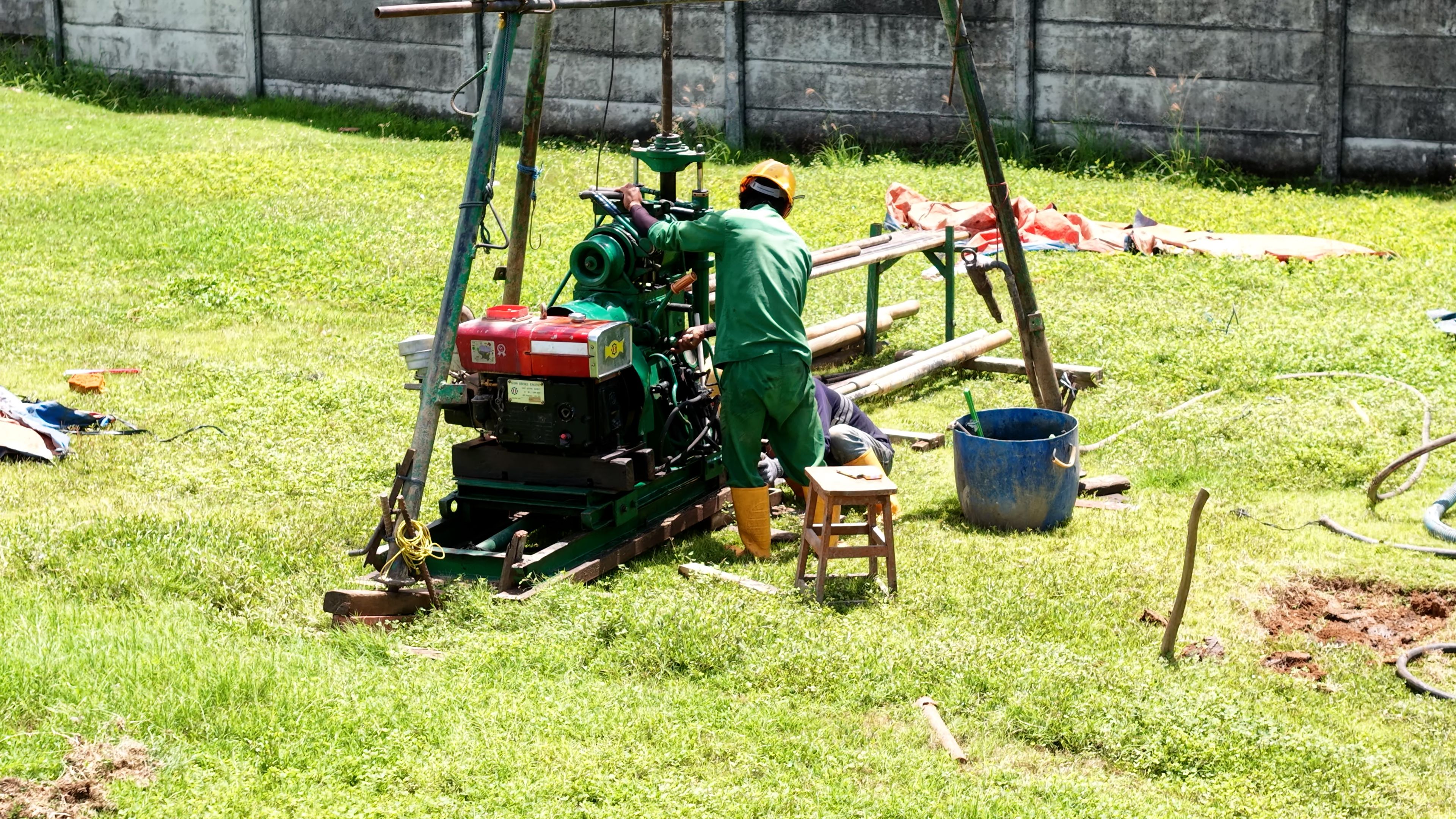
Long before structures rise or interiors take shape, successful development starts with a comprehensive understanding of the land itself.
Soil testing is a critical early phase in the construction process. It provides accurate data about the site’s ground conditions before any major structural decisions are made. Engineers assess soil strength, density, moisture content, and water behaviour, factors that are particularly significant for a beachfront location. In coastal environments, understanding how soil reacts under load and exposure to water is essential to ensuring long-term structural integrity.
The findings from this phase directly inform key engineering decisions, including foundation design, piling depth, slab configuration, and drainage strategy. Every element built above ground depends on what is understood beneath the surface. By replacing assumptions with precise technical data, the project team can design a foundation system that is safe, stable, and engineered for durability.
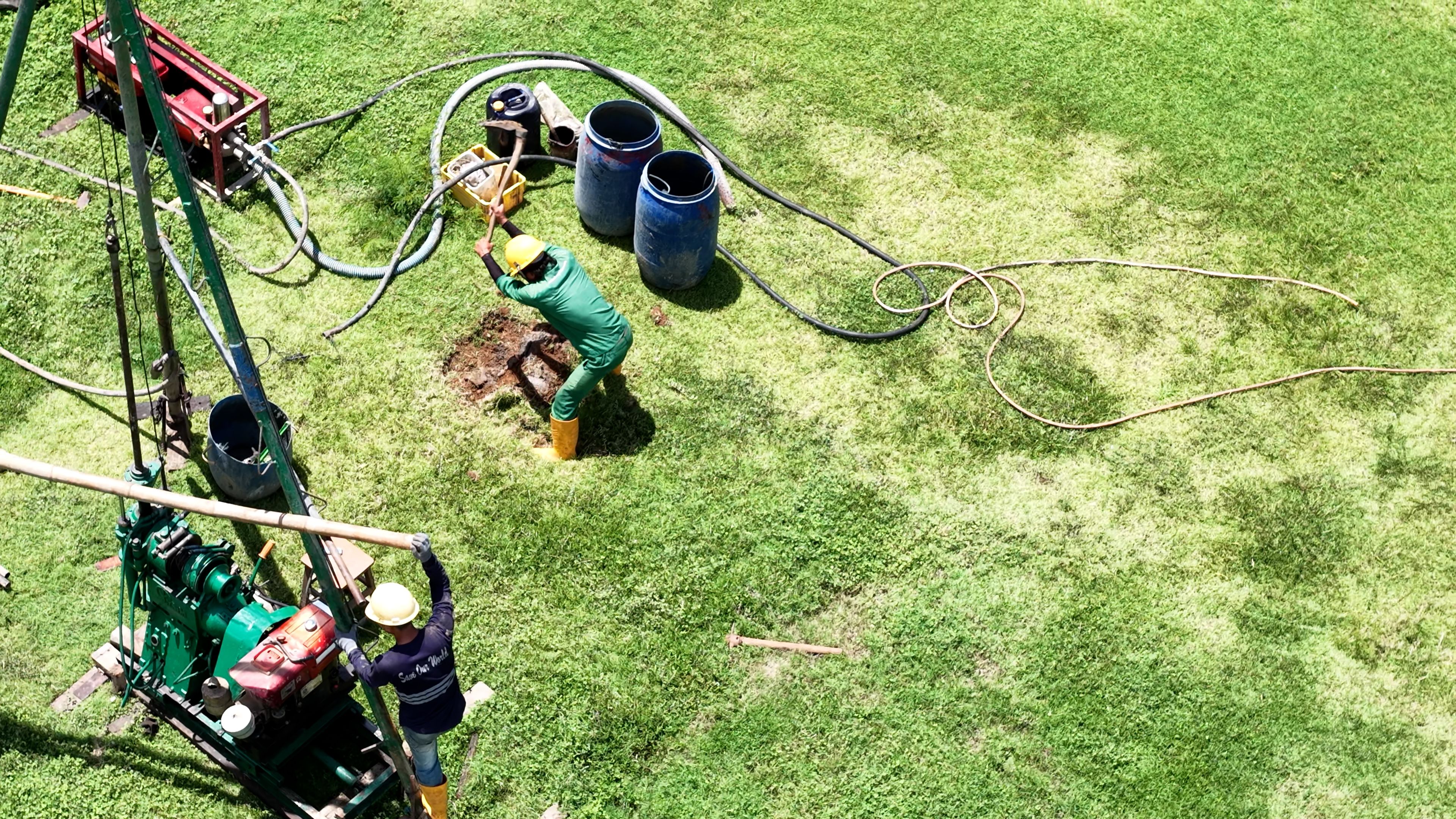
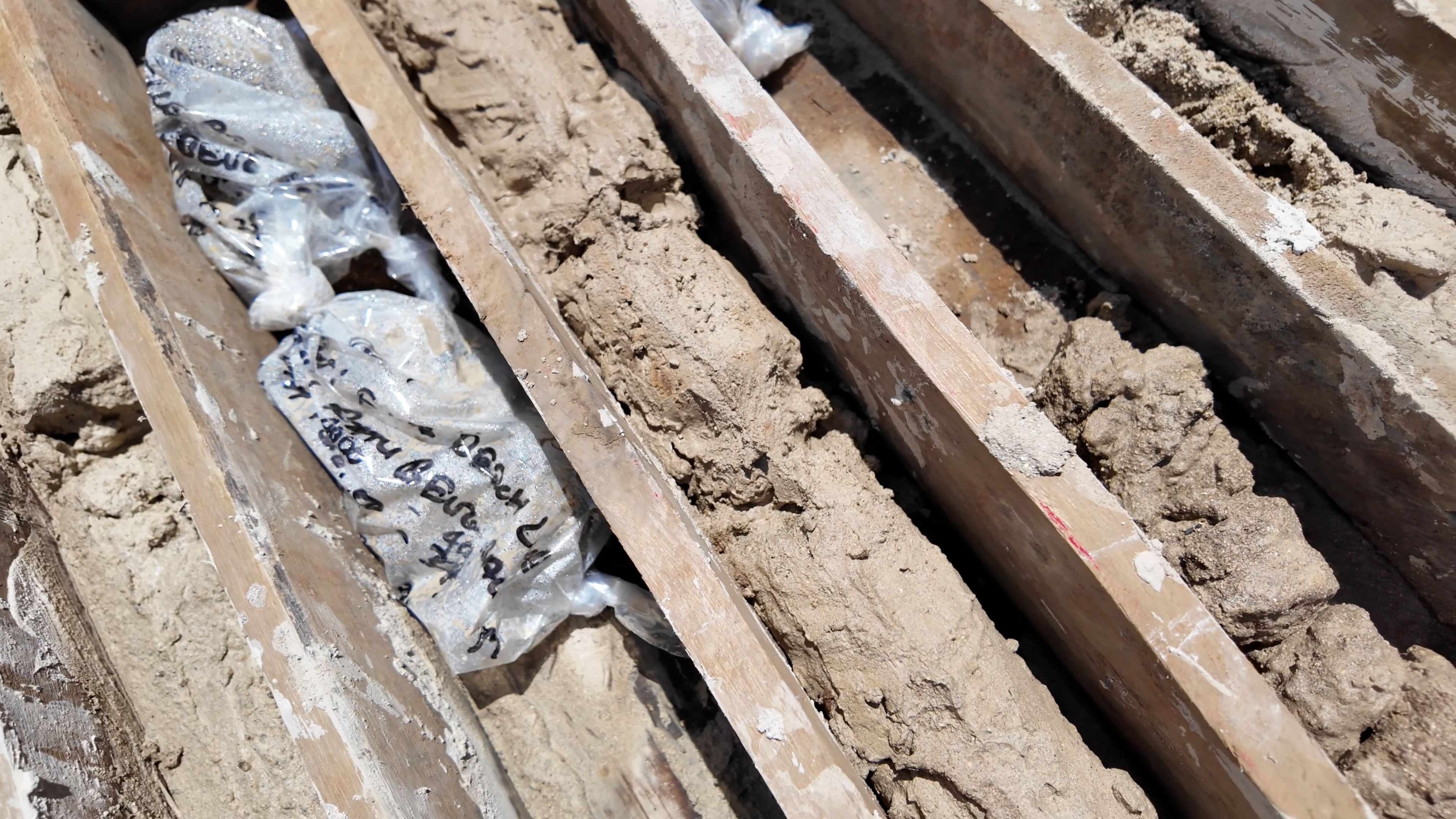
This stage reflects our commitment to disciplined planning and technical excellence. Although it may appear to be a quiet phase of development, soil testing is one of the most important steps in delivering a resilient and enduring resort. It establishes the groundwork for a structure designed to stand confidently along Bali’s shoreline for decades to come.
For investors, this is where risk mitigation begins. Reliable soil data reduces uncertainty, strengthens construction planning, and safeguards the asset throughout both development and operation. It demonstrates a structured and transparent approach to development, one that prioritises long-term performance, safety, and asset protection from the very first stage.